
Every Hong Kong business must keep records, in English or Chinese, that let its assessable profits be readily worked out, and keep them for at least 7 years from the transaction date. That means books of account recording what came in and went out, the source documents behind each entry (invoices, receipts, bank statements, vouchers), and records of assets, liabilities and stock. In practice: use a separate business bank account, back every sale and expense with a document, reconcile the bank every month, and close the year properly for the audit and the profits tax return. Failing to keep sufficient records can lead to a fine of up to HK$100,000.
At a glance
- Keep records for at least 7 years from the transaction date, in English or Chinese.
- Minimum system: a cash book backed by source documents, plus a business bank account.
- Reconcile the bank every month, as the IRD's own guide recommends.
- At year-end: stocktake, lists of debtors and creditors, a fixed asset register, then the audit.
- Penalty for not keeping sufficient records: a fine of up to HK$100,000.
What the law asks for
The Inland Revenue Ordinance requires everyone carrying on a business in Hong Kong to keep enough records of income and spending for the assessable profits to be readily worked out. The IRD's guide to keeping business records (PAM 51) spells out what that covers:
- books of account recording receipts and payments, or income and expenditure;
- the documents that back up those entries: vouchers, bank statements, invoices, receipts and similar papers;
- a record of assets and liabilities;
- a day-by-day record of money received and spent;
- for goods businesses, records of purchases and sales, and year-end stocktake figures.
Companies also have duties under the Companies Ordinance. Directors must prepare annual financial statements, and those statements must be audited (dormant companies excepted). Good books make the audit faster and cheaper. Employers must also keep payroll records for 7 years.
Step by step: a bookkeeping routine
Step 1: Open a separate business bank account
The IRD calls keeping business and personal accounts apart good business practice. Pay all business income into the business account and make business payments from it, so the bank statement becomes a second record of every transaction. If you must mix them, record every personal payment and every extra amount you put in separately in the cash book. See opening a business bank account.
Step 2: Choose paper or software, and set it up
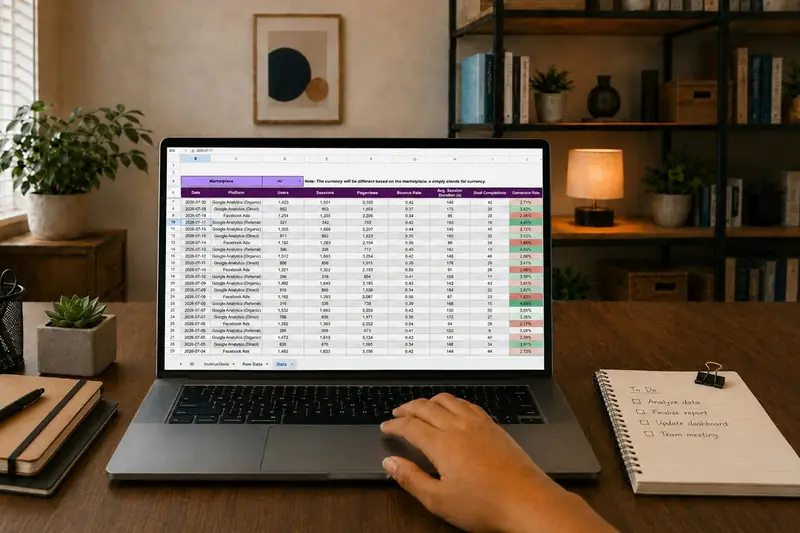
Accounting software keeps the ledger up to date, but the paper or PDF source documents still have to be kept. Paper books are acceptable if they are legible and organised. Accounting software gives an up-to-date picture, fewer arithmetic errors and faster answers if the IRD asks questions. Either way you must still keep the source documents, and you must back up electronic records. Set up a simple chart of accounts (sales, cost of sales, rent, salaries and MPF, bank charges and so on) before the first transaction.
Step 3: Record every sale with a numbered document

Card terminals and tills produce a sales record; the IRD's guide asks that every sale goes through it. Use sequentially numbered invoices or receipts. The IRD's guide says an invoice should show at least: invoice number, date of issue, customer's name and address, your business name and address, date of the transaction, a description with quantities and prices, and the total. Retail businesses can use till rolls or a daily takings record. Record returned goods with a credit note, and record any stock taken for private use.
Step 4: Keep a document for every expense
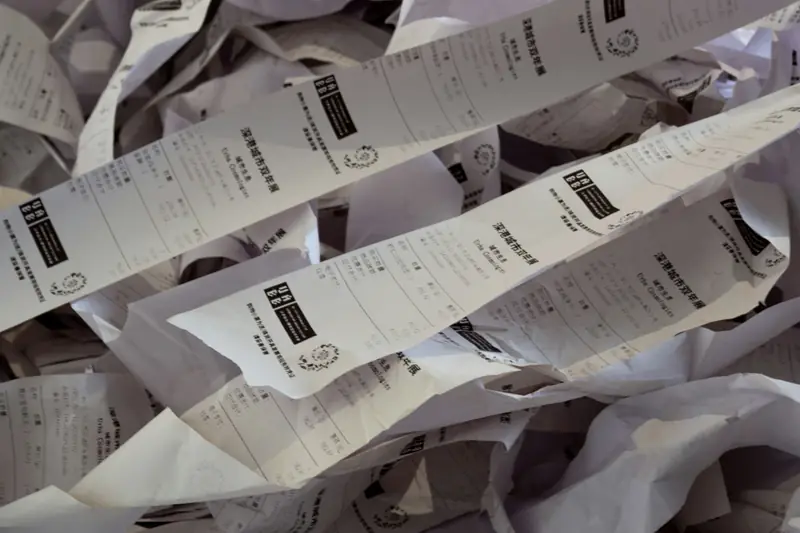
Thermal till receipts fade. Scanning them regularly keeps the record readable for the full 7 years. Ask for a receipt for every payment. It should show the date, the supplier, the amount and what was bought. If a till receipt doesn't say what it was for, write a note on it. Credit card slips and monthly card statements are acceptable evidence. For costs where receipts don't exist, such as public transport fares, keep a diary. Run small cash payments through a petty cash book with receipts. Scan or photograph paper receipts every week so faded thermal paper does not leave gaps.
Step 5: Reconcile the bank every month
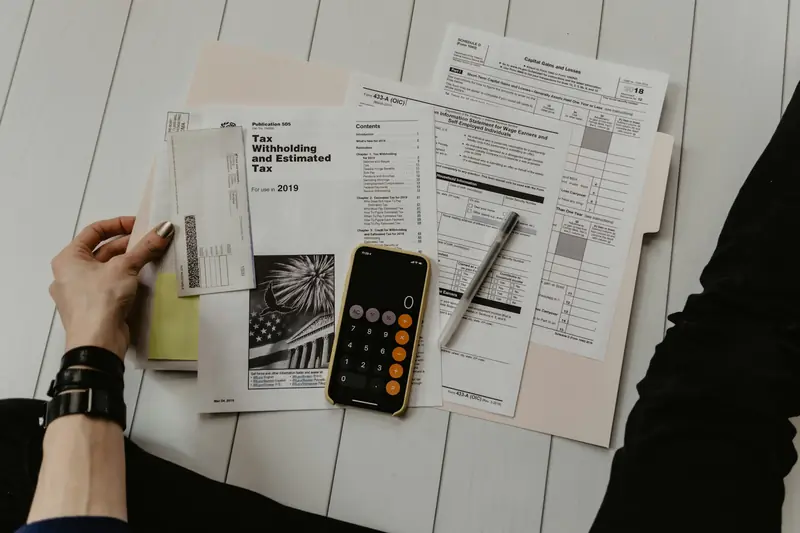
A monthly bank reconciliation matches each statement line to an invoice or receipt. Compare the cash book with the bank statement and explain every difference. The IRD's guide recommends doing this monthly. Before reconciling, add the items you only learn about from the statement: bank charges, interest, direct debits and automatic payments. Match each line to an invoice or receipt, and chase missing documents while the month is fresh. File the statements in date order, because banks may charge for copies.
Step 6: Track assets, payroll and other records
- Fixed asset register: for each asset, the date bought and its cost, the date sold and the amount received, plus any other spending on it. Keep the contracts and invoices.
- Payroll: salaries, MPF contributions and employee records, kept for 7 years. They feed the employer's return; see hiring your first employee and the employer's return.
- Loans and capital: loan agreements, the director's current account and share capital records.
Step 7: Close the year properly
At year-end, stock, debtors, creditors and the trial balance are pulled together for the auditor. - Count stock at the year-end date and keep the stock sheets.
- List debtors (money owed to you) and creditors (money you owe) at the year-end.
- Record accruals and prepayments, and depreciation from the fixed asset register.
- Produce a trial balance, a profit and loss account and a balance sheet.
- Hand the books and documents to the auditor. Directors prepare the financial statements and the auditor reports on them; see audit requirements.
- Use the audited accounts for the profits tax return.
Step 8: File and keep everything for 7 years

Records must be kept for at least 7 years, even after a business stops trading. Keep records for at least 7 years from the date of the transaction. The duty continues after the business stops trading. Store paper files by year and month, and keep backups of electronic records in more than one place.
Prefer to have it done for you?
BizAion can keep your books monthly, reconcile the bank and prepare year-end accounts for the audit. The first consultation is free. Tell us about your company on WhatsApp and we'll quote from our published fees.
What bookkeeping costs
There is no government fee for keeping books. The cost is your time, any software subscription and professional fees. Professional fees are driven mostly by volume and complexity: the number of bank transactions, the number of bank accounts and currencies, whether you hold stock and whether you run payroll. Tidy monthly records cost less to process than a year of receipts in a box.
BizAion's published bookkeeping fees follow your yearly bank transaction count:
| Bank transactions per year | Fee (HKD / year) |
|---|---|
| 1–50 | HK$1,000 |
| 51–100 | HK$2,800 |
| 101–150 | HK$3,800 |
| 151–200 | HK$4,800 |
| 201–250 | HK$5,800 |
| Over 250 | HK$8,800+ (plus HK$800 per extra 50) |
The audit is a separate cost. BizAion's audit arrangement fee starts at HK$6,000 (turnover up to HK$1 million), and the auditor quotes their own fee. Fees above are BizAion's professional fees in HKD. Government fees, auditor's fees and other third-party costs are charged separately at cost. See the accounting service.
Common mistakes
- Keeping only bank statements. The IRD expects the invoices, receipts and vouchers behind them too.
- Paying business costs from a personal card without recording it.
- Leaving the bookkeeping until the auditor asks, then rebuilding a year from memory.
- Skipping the year-end stocktake in a business that holds stock.
- Deleting software data or old files before 7 years have passed, including after the business closes.
Related service: Accounting & Bookkeeping (From HK$1,000 / year). Message us on WhatsApp. The first consultation is free.
Frequently asked questions
How long must I keep business records in Hong Kong?
At least 7 years from the date of the transaction, even after the business stops trading.
Can my records be in Chinese?
Yes. The Inland Revenue Ordinance requires records to be kept in English or Chinese.
What is the penalty for not keeping records?
Failing to keep sufficient records is an offence, with a fine of up to HK$100,000.
Is a bank statement enough?
No. You also need the source documents behind each entry, such as sales invoices, purchase receipts and vouchers, plus books that record income and spending.
Do I have to use accounting software?
No. Paper records are acceptable if they are complete, legible and organised. Software is usually faster and more accurate, but you still keep the source documents and back up the data.
How often should I reconcile the bank account?
The IRD's guide to keeping business records recommends reconciling the cash book with the bank statement regularly, ideally every month.
Does my company still need an audit if the books are tidy?
Yes. Every Hong Kong company must have its financial statements audited each year, except a dormant company. Good books make the audit faster and usually cheaper.
What records do I keep for employees?
Payroll records, including salaries and MPF contributions, kept for at least 7 years. You also need them for the employer's return each year.
Sources (official)
- IRD: A Guide to Keeping Business Records (PAM 51C)
- Companies Registry FAQ: Accounts and audit
- IRD: What tax obligations do I have as an employer?
- IRD: Profits Tax
This guide is general information, not professional advice. Government fees and deadlines can change, so check the official sources linked above.